
Tips for Creating a Relaxing Home Workspace to Boost Productivity and Comfort
Creating a relaxing home workspace is essential for anyone looking to maintain focus and feel comfortable throughout the workday. Whether you’re working remotely full-time or occasionally tackling projects from home, your environment plays a big role in your productivity and well-being. In this post, we’ll explore practical tips to design a home office that promotes both relaxation and efficiency.
Why a Relaxing Workspace Matters
A cluttered or uncomfortable workspace can lead to distractions, stress, and fatigue. On the other hand, a calming, well-organized setup helps you stay focused, reduces anxiety, and makes the workday more pleasant. When you feel comfortable, your mind is free to concentrate on tasks, improving the quality and speed of your work.
Choosing the Right Location
Find a Quiet Spot
Pick a place in your home where you can minimize noise and interruptions. It could be a spare bedroom, a corner of the living room, or even a nook by a window. The key is to create a boundary between your work area and the busyness of your home life.
Consider Natural Light
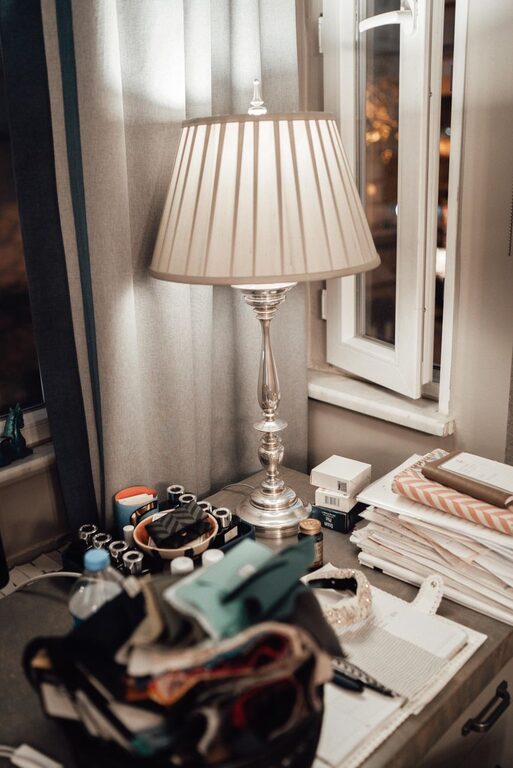
Natural lighting boosts mood and energy, so try to set up near a window if possible. If natural light is limited, invest in good quality, adjustable lamps that mimic daylight to reduce eye strain.
Invest in Comfortable, Ergonomic Furniture
Choose a Supportive Chair
A chair with good lumbar support keeps your back healthy and helps prevent discomfort over long hours of sitting. Adjustable height and tilt features are a plus to customize your seating position.
Use a Suitable Desk
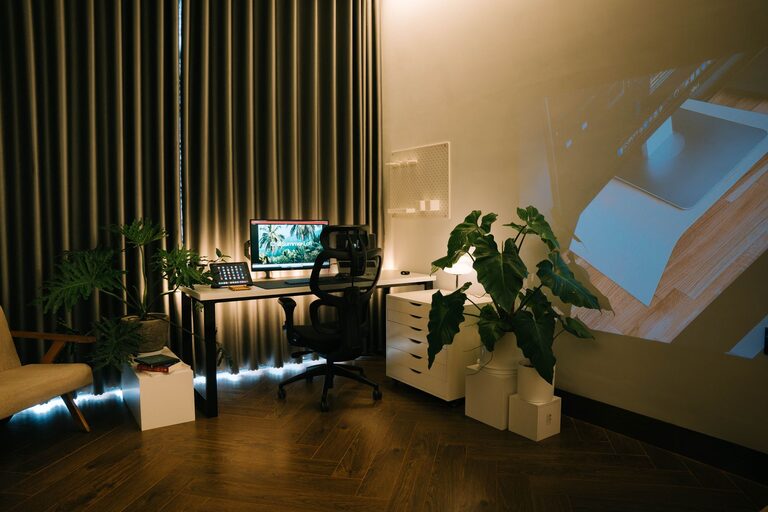
Select a desk that fits your space and needs. A standing desk or one with adjustable height can promote movement and reduce stiffness. Make sure there’s enough surface area for your computer, documents, and any essential tools.
Position Your Equipment Correctly
Monitor placement should be at eye level and about an arm’s length away to minimize neck and eye strain. Use a separate keyboard and mouse if you work with a laptop to optimize posture.
Organize Your Workspace for Focus and Calm
Declutter Regularly
A tidy workspace reduces distractions and helps your brain focus. Keep only the items you use daily on your desk; store other supplies in drawers or shelves.
Use Storage Solutions
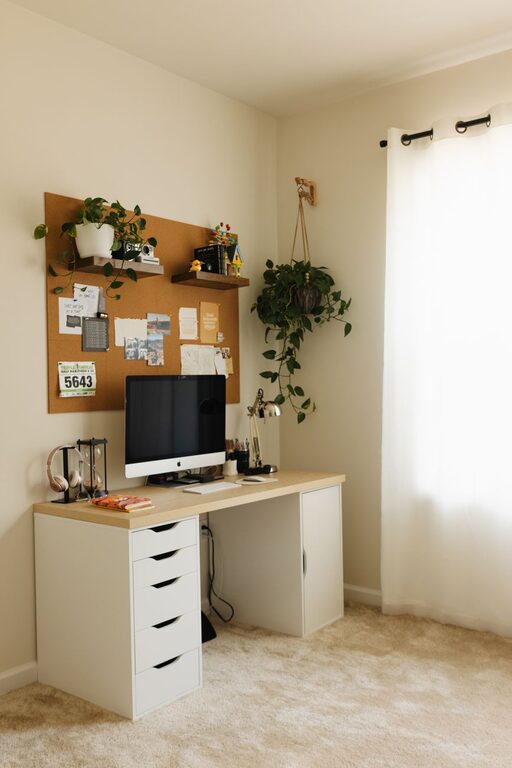
Bins, shelves, and drawer organizers can keep papers, cables, and office supplies in order. Clear containers can help you see your items easily, adding to a sense of calm.
Add Personal Touches
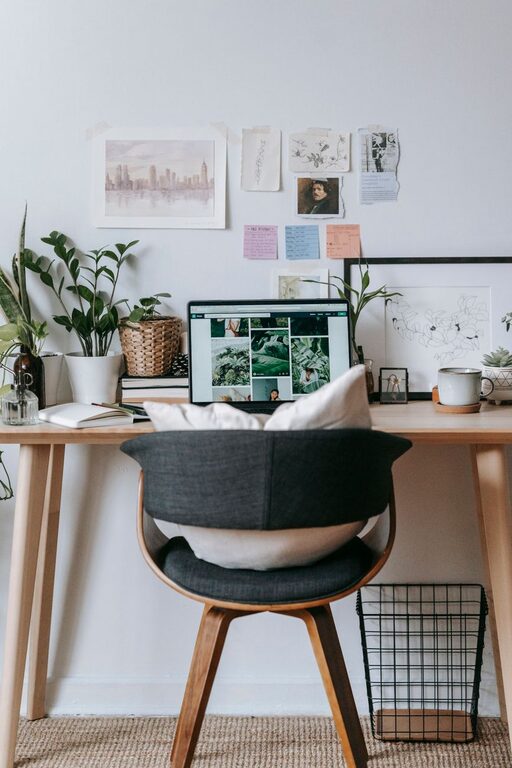
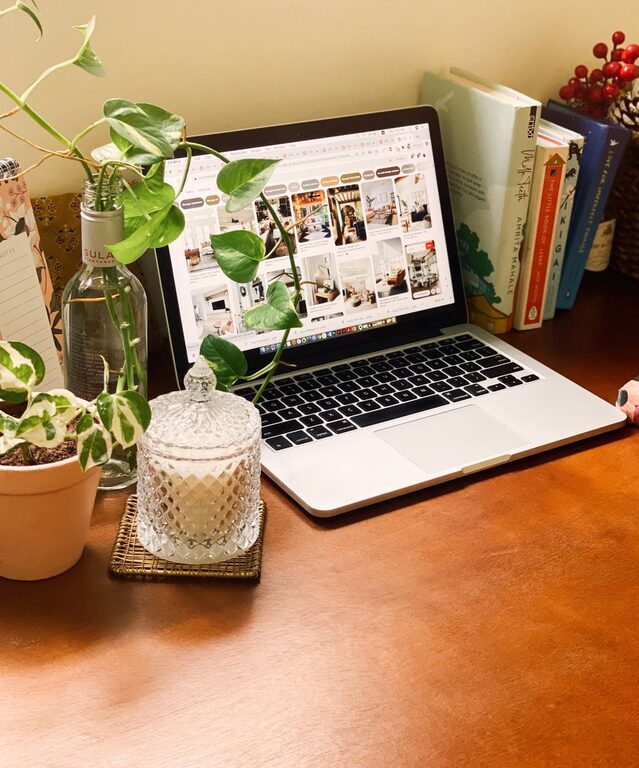
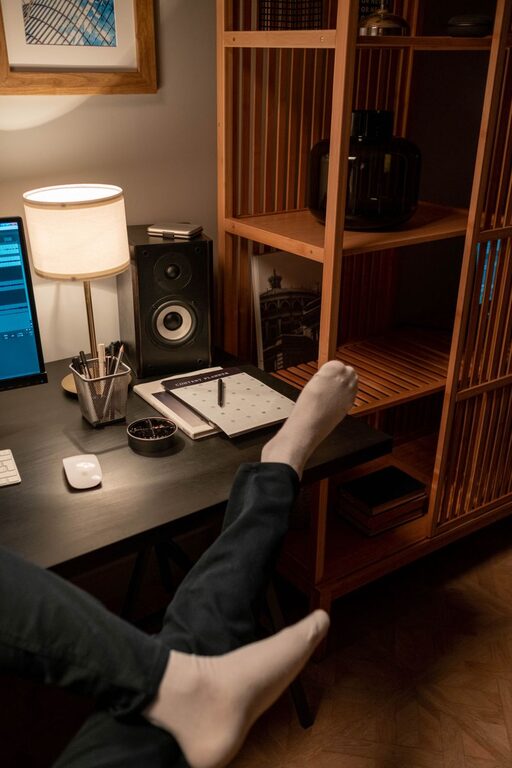
Decorate your space with items that inspire or comfort you — a small plant, artwork, or photos. Just avoid overcrowding the area to maintain a peaceful vibe.
Create a Soothing Atmosphere
Choose Calming Colors
Soft, neutral tones like pastel blues, greens, or grays can create a serene environment. Avoid overly bright or harsh colors that might cause distraction or agitation.
Control Temperature and Air Quality
Keep your workspace well-ventilated and at a comfortable temperature. If possible, add a small air purifier or keep a window slightly open to ensure fresh air circulation.
Incorporate Background Sounds Wisely
Some people find white noise, nature sounds, or soft instrumental music helpful for focus and relaxation. Experiment with different audio settings to see what works best for you.
Maintain Healthy Work Habits
Take Regular Breaks
Use techniques like the Pomodoro method (work for 25 minutes, break for 5) to prevent burnout. Stand up, stretch, or walk around during breaks to refresh your body and mind.
Stay Hydrated and Nourished
Keep water readily available at your desk. Eating balanced snacks can maintain energy levels without causing grogginess or sluggishness.
Set Clear Boundaries
Define your work hours and stick to them. Having a dedicated workspace helps your brain switch between work and relaxation modes at the end of the day.
Final Thoughts
Designing a relaxing home workspace is a thoughtful process that combines comfort, organization, and ambiance. By creating an environment where you can work efficiently while feeling calm, you set yourself up for success and wellness. Start with small improvements, and adjust based on your personal preferences to find the perfect balance for your home office.