
Tips for Creating a Relaxing Home Workspace to Boost Productivity
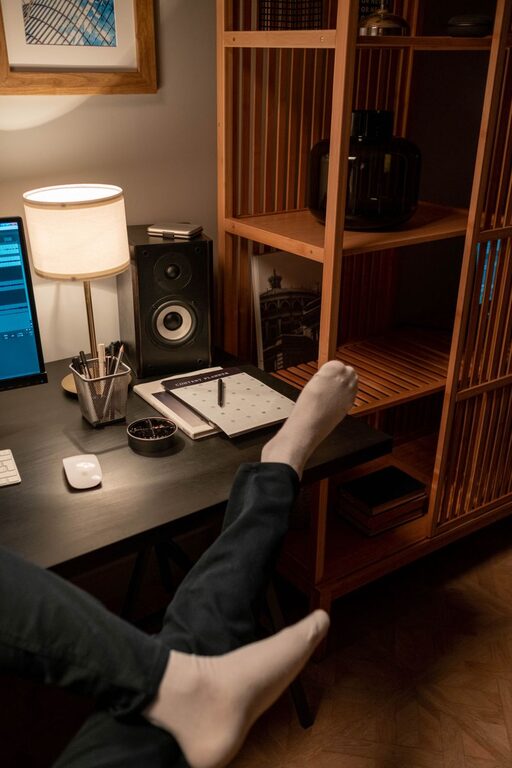
Creating a relaxing home workspace is essential for maintaining productivity and wellbeing, especially as many people balance work and home life in the same environment. A well-designed workspace helps reduce stress, minimize distractions, and promote focus, making your workday smoother and more enjoyable. Here are some practical tips to help you set up a calming and efficient home office.
Choose the Right Location
Find a Quiet Spot
Select a space in your home that is as quiet as possible. Avoid high-traffic areas like the kitchen or living room if you can. A corner of a spare room, a nook by a window, or a dedicated home office are ideal choices.
Consider Natural Light
Natural light has a positive effect on mood and alertness. Position your desk near a window to take advantage of daylight, but avoid glare on your computer screen by using blinds or curtains if needed.
Invest in Comfortable Furniture
Ergonomic Chair and Desk
Comfort is key for extended periods of work. Invest in an ergonomic chair that supports your back and promotes good posture. Pair it with a desk at the right height to avoid strain on your wrists, neck, and shoulders.
Add Supportive Accessories
Consider a footrest, wrist pads, or a monitor stand to customize your workspace ergonomics further. These small adjustments can make a big difference in reducing fatigue.
Keep Your Workspace Organized
Declutter Regularly
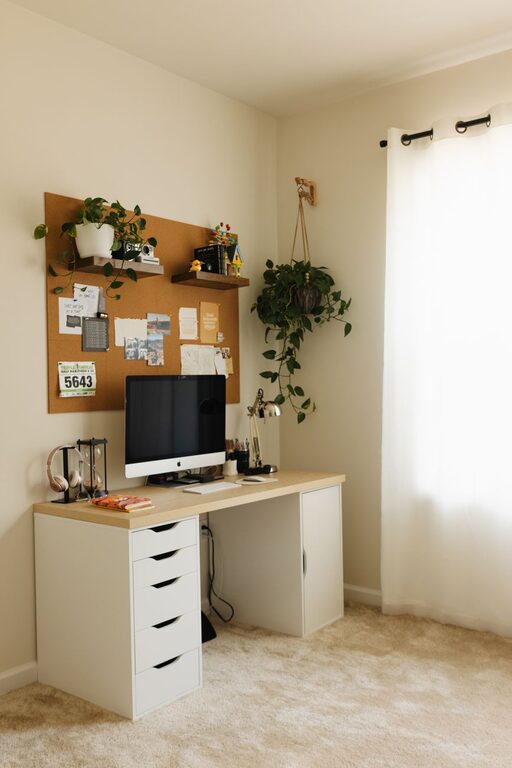
A tidy workspace helps clear your mind and makes it easier to focus. Use organizers, shelves, and drawers to keep supplies and documents out of sight but within reach.
Use Cable Management
Tidy up cables with clips or sleeves to avoid a messy look and reduce distractions. A well-organized workspace not only looks nice but also helps you find what you need quickly.
Create a Calming Atmosphere
Add Plants
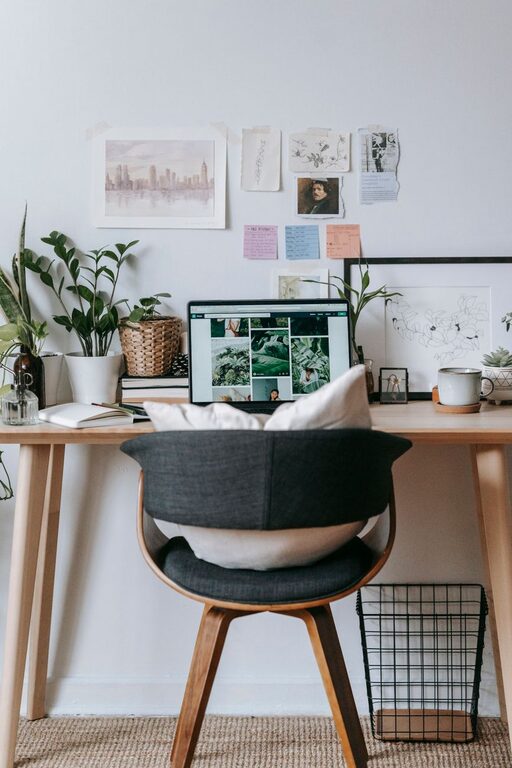
Indoor plants improve air quality and add a touch of nature, which can reduce stress. Choose low-maintenance plants like succulents or pothos for an easy care option.
Use Soothing Colors
Colors affect mood. Soft blues, greens, or neutral tones create a relaxing environment. You can paint your workspace walls or choose decor items in calming shades.
Incorporate Personal Touches
Add photos, artwork, or mementos that make you feel happy and motivated. Personalizing your workspace helps create a positive connection to the area where you work.
Manage Noise and Distractions
Use Noise-Canceling Headphones
If your home is noisy, noise-canceling headphones can help you focus. Listening to white noise, nature sounds, or instrumental music can also reduce distractions.
Set Boundaries
If you share your home with others, communicate your work schedule and boundaries clearly to minimize interruptions. Use signs or signals if needed.
Improve Lighting for Productivity
Combine Natural and Artificial Light
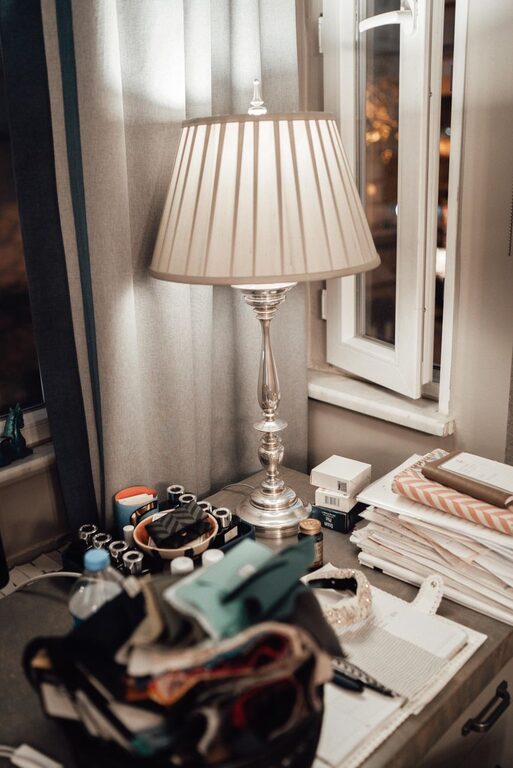
While natural light is ideal, supplement it with good task lighting. A desk lamp with adjustable brightness helps reduce eye strain, especially in the evenings or on cloudy days.
Avoid Harsh Lighting
Avoid harsh overhead lights or flickering bulbs. Choose soft, warm LED lights for a comfortable work environment.
Incorporate Break Space Elements
Designate a Relaxation Corner
If space permits, add a small comfy chair or cushion nearby where you can take brief breaks. Stepping away from your desk helps refresh your mind and prevents burnout.
Use Aromatherapy
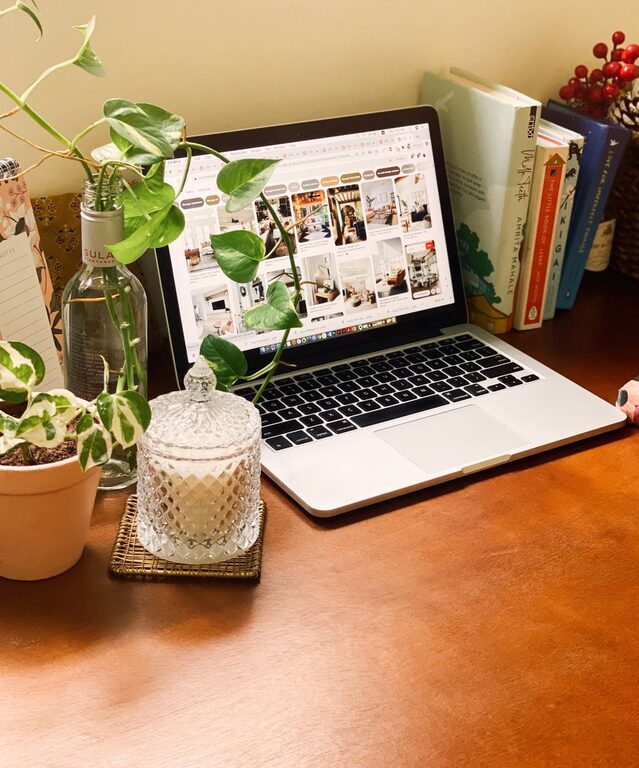
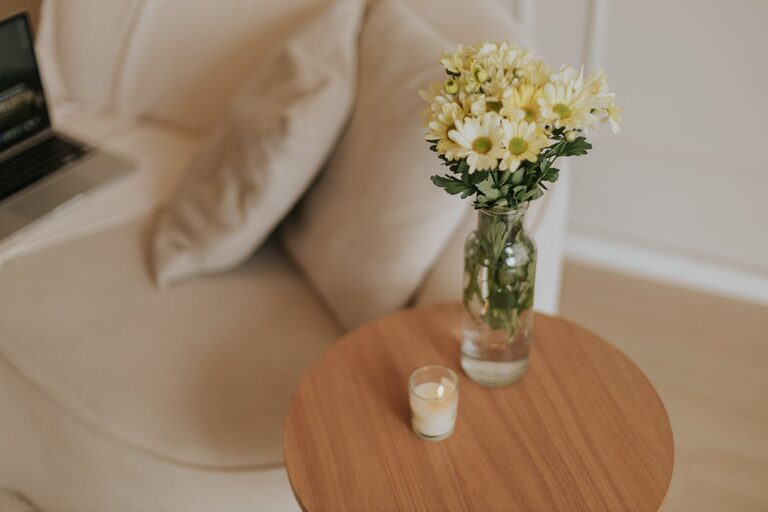
Scented candles or essential oil diffusers with calming aromas like lavender or eucalyptus can boost relaxation during short breaks.
Organize Your Digital Workspace
Manage Your Digital Files
A cluttered digital desktop can hinder productivity. Keep files organized in clearly labeled folders and regularly delete unnecessary documents.
Use Productivity Tools
Use apps or tools that help with time management, task tracking, and minimizing distractions, such as timers, to-do lists, or website blockers.
Maintain Healthy Habits
Set a Routine
Having consistent work hours helps create a sense of normalcy and control. Schedule regular breaks to stretch, hydrate, and rest your eyes.
Incorporate Movement
Take brief stretch breaks or short walks to avoid physical stiffness and boost mental clarity.
—
By thoughtfully designing your home workspace, you can create an environment that supports focus and encourages productivity while helping you feel calm and comfortable. Small changes like organizing your desk, adding plants, or managing lighting can have a big impact on how you work and feel throughout the day. Give these tips a try and enjoy a more relaxing, productive work-from-home experience.