
Tips for Creating a Relaxing Home Workspace to Boost Productivity and Comfort
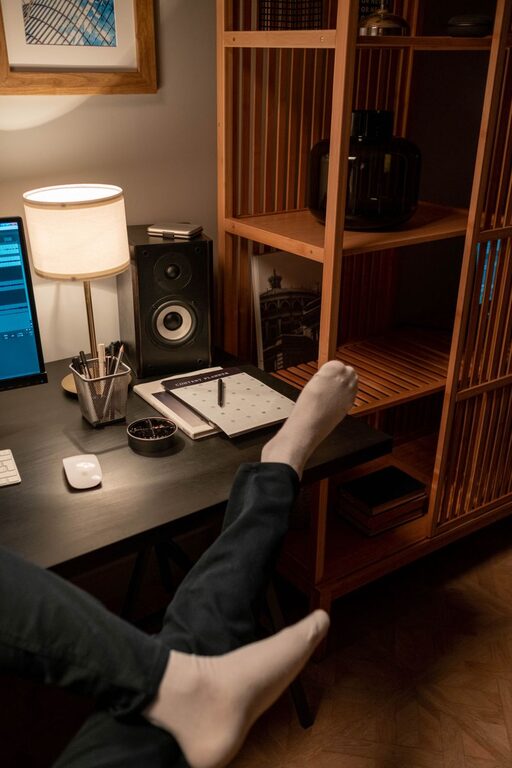
Creating a relaxing home workspace is essential in today’s world, where working from home has become a common practice for many people. A well-designed workspace can boost productivity, reduce stress, and promote comfort throughout your workday. Whether you have a dedicated room or just a corner in your living space, these tips will help you craft an environment that supports both focus and relaxation.
Why a Relaxing Workspace Matters
Your home office should be a place that encourages creativity and concentration without causing fatigue or discomfort. When your workspace is calming and inviting, it’s easier to stay motivated and avoid burnout. Stress is a major productivity killer, so minimizing distractions and adding elements of comfort can make a big difference in your daily work routine.
Choose the Right Location
Selecting the right spot in your home is the first step. Ideally, find a quiet area with minimal foot traffic and noise. A separate room is perfect, but if that’s not possible, carve out a dedicated space using room dividers or furniture arrangements. Natural light is a huge benefit, so position your desk near a window if you can.
Invest in Comfortable and Ergonomic Furniture
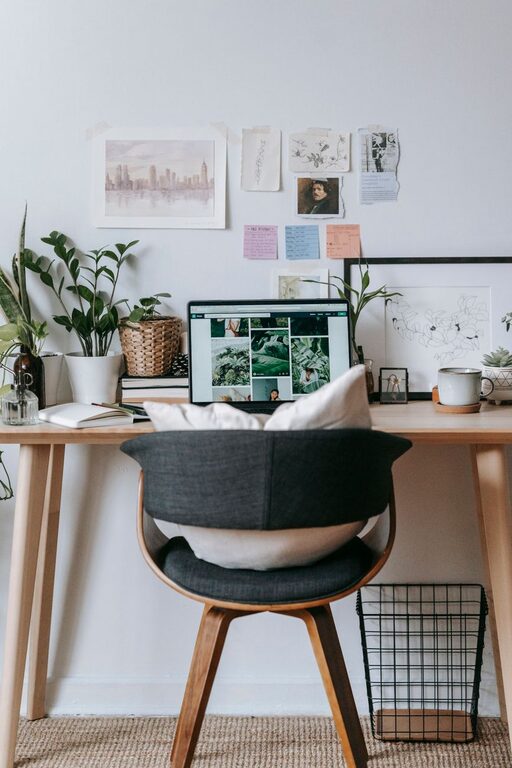
Spending many hours at your desk means your chair and desk should support good posture. Choose an ergonomic chair that offers lumbar support and adjustability. A desk at the right height can prevent strain on your wrists and shoulders. Consider a sit-stand desk to change positions throughout the day and keep your body active.
Keep It Organized and Clutter-Free
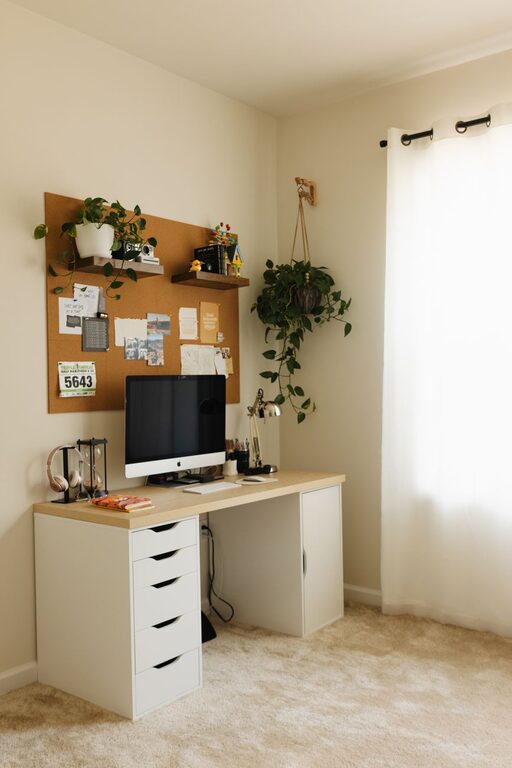
A tidy workspace reduces stress and saves time spent searching for items. Use organizers, shelves, and drawers to keep documents and supplies in their place. Minimalism often helps create a peaceful atmosphere, so try to keep your desk surface free of unnecessary items.
Use Soft and Calming Colors
Color influences mood and focus. Soft hues like light blue, green, or beige are known to have calming effects. Avoid overly bright or harsh colors that might cause fatigue or distraction. If painting walls isn’t an option, use accessories like cushions, rugs, or curtains to incorporate soothing colors.
Add Plants for a Touch of Nature
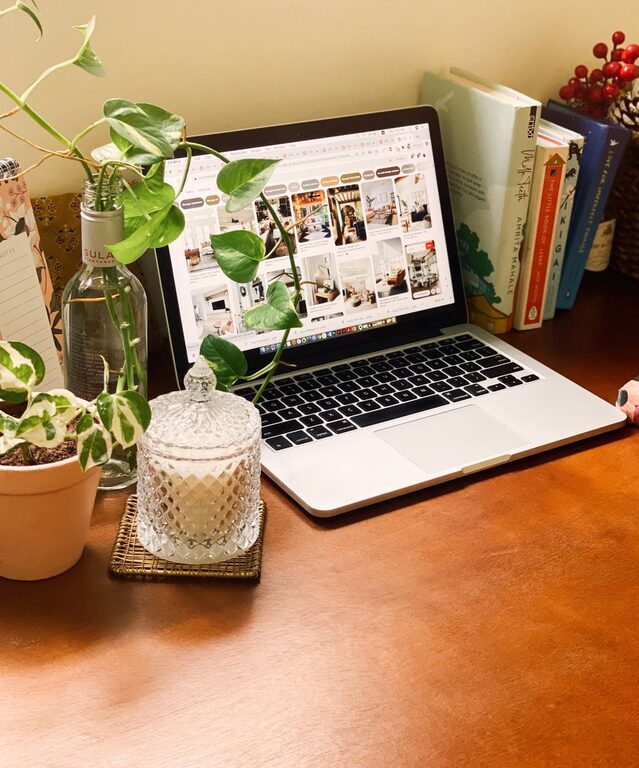
Plants not only brighten the space but can also improve air quality and reduce stress. Choose easy-care plants like succulents, spider plants, or peace lilies. Place them around your workspace for a natural, refreshing feel.
Optimize Lighting for Comfort and Focus
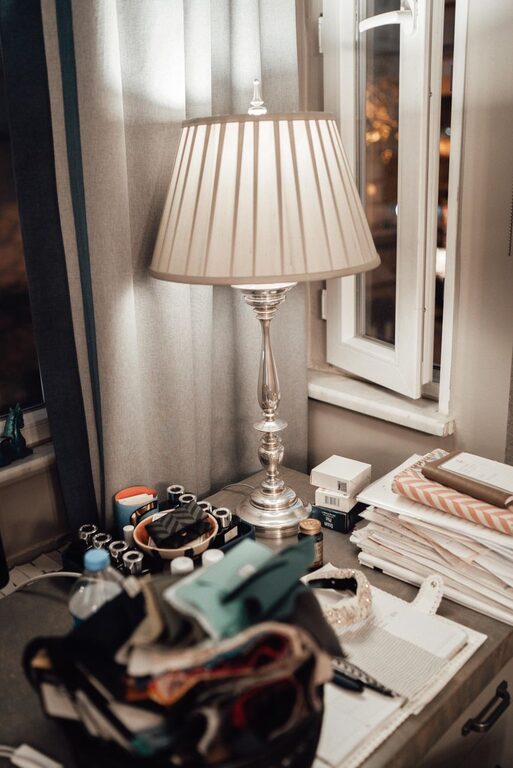
Good lighting is crucial for reducing eye strain and maintaining energy. Natural light is best, but if that’s limited, use adjustable desk lamps with warm, diffused light. Avoid harsh overhead fluorescents and glare on computer screens.
Personalize Your Space Thoughtfully
Adding personal touches can make your workspace inviting, but balance is key. Display a few meaningful photos, artwork, or motivational quotes to inspire you. Avoid overcrowding your space, so it remains calm and uncluttered.
Incorporate Calming Scents and Sounds
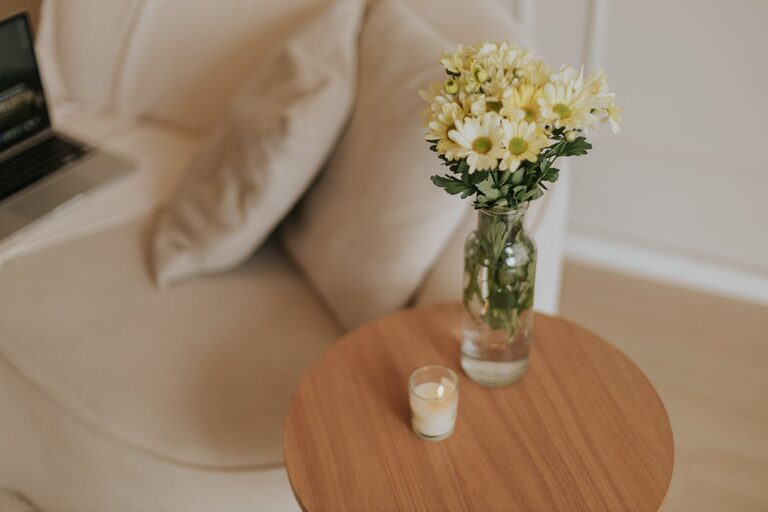
Aromatherapy can improve mood and focus. Use subtle scents like lavender, chamomile, or eucalyptus with candles, essential oil diffusers, or incense. Background sounds, such as nature playlists or soft instrumental music, can help drown out distractions without being overwhelming.
Take Regular Breaks and Move Around
Even in the most comfortable setting, it’s important to stand up, stretch, and walk around every hour. Movement boosts circulation and refreshes your mind, contributing to sustained productivity and comfort.
Use Technology Wisely
Organize your digital workspace as you do your physical one. Keep your desktop tidy, manage notifications to avoid interruptions, and use productivity apps to plan your day. Consider noise-canceling headphones if external noise is an issue.
—
By applying these tips, you can create a home workspace that promotes a relaxed mindset and efficient work habits. Remember, the goal is to balance comfort with function so you can enjoy your day while staying productive. A peaceful workspace isn’t just about looks—it’s about creating an environment that supports your best work and well-being.