



Effective Tips for Organizing a Productive Home Workspace
Creating a productive home workspace is essential for anyone working or studying from home. A well-organized environment can improve focus, reduce stress, and make your work hours more efficient and enjoyable. Whether you have a dedicated room or a small corner for your duties, these effective tips will help you organize a workspace that supports your productivity and well-being.
Choose the Right Location
Finding the perfect spot for your home workspace is the first step toward staying productive. Consider these factors:
– Natural Light: Position your desk near a window to benefit from natural daylight, which can boost mood and reduce eye strain.
– Quietness: Choose a place with minimal distractions and noise.
– Space: Ensure there’s enough room for your computer, paperwork, and any other tools you regularly use.
If a separate room isn’t available, try to designate a consistent area specifically for work to establish a mental boundary between home and office life.
Invest in Ergonomic Furniture
Spending long hours at your home workspace means comfort should be a priority. Invest in:
– Ergonomic Chair: Supports your back and encourages good posture.
– Adjustable Desk: Allows for sitting or standing positions, promoting movement.
– Proper Desk Size: Enough surface area for your computer, keyboard, and writing space without clutter.
Comfortable furniture reduces physical strain and helps you stay focused for longer periods.
Declutter and Keep Essentials Handy
A cluttered workspace can clutter your mind. Keep your desk organized by:
– Reducing Non-Essential Items: Remove anything that doesn’t directly aid your work.
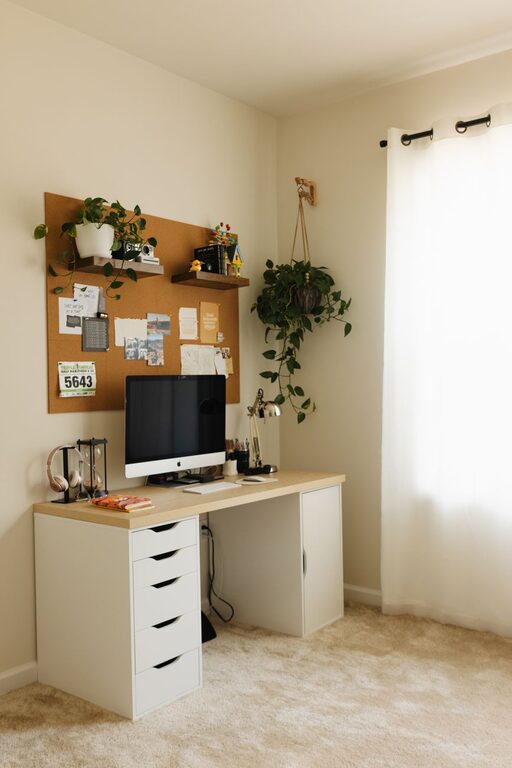
– Using Storage Solutions: Drawer organizers, shelves, or filing cabinets keep paperwork and supplies neat.
– Implementing Daily Clean-Up: Spend a few minutes at the end of your day tidying your area.
Keep frequently used items like pens, notebooks, and chargers within easy reach to minimize distractions.
Organize Your Digital Workspace
Physical organization is important, but don’t overlook your digital environment:
– File Management: Use clear folder structures for documents.
– Desktop Clean-Up: Avoid desktop chaos with minimal icons and organized folders.
– Email Organization: Implement filters and folders to keep your inbox manageable.
A streamlined digital workspace helps you find information quickly and reduces frustration.
Establish a Dedicated Work Schedule
Creating and respecting a work schedule helps maintain productivity:
– Set Regular Hours: Define your start and end times to build routine.
– Include Breaks: Short, regular breaks prevent burnout.
– Use Timers or Apps: Tools can remind you to stay on task or switch activities.
A schedule creates boundaries between work and personal life while supporting focus.
Personalize Your Workspace Thoughtfully
Adding personal touches can make your workspace inviting but avoid overdoing it. Consider:
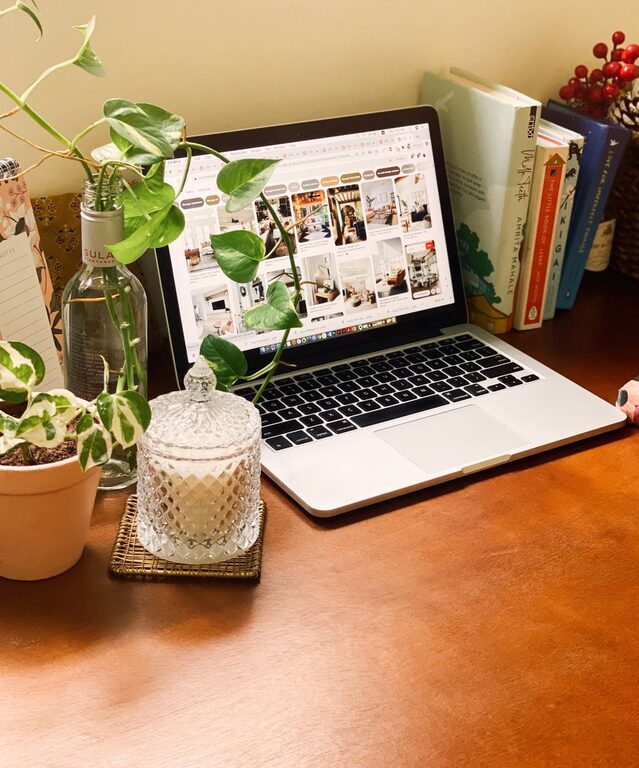
– Plants: Small plants improve air quality and calm the mind.
– Inspirational Items: Photos or artwork that motivate but don’t distract.
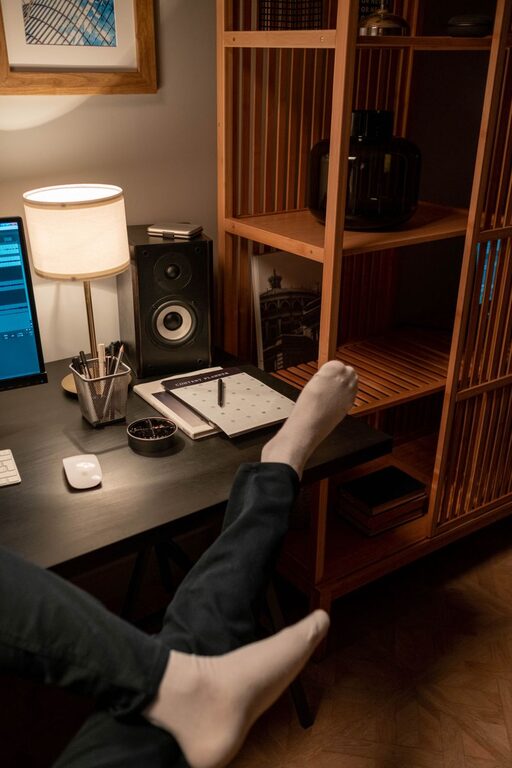
– Lighting: Desk lamps for focused light during darker hours.
Personalization should encourage positivity and not cause clutter.
Minimize Distractions
Distractions can quickly derail productivity, so try to:
– Turn Off Notifications: Silence non-essential alerts on your devices.
– Use Headphones: Noise-cancelling headphones can help if your environment is noisy.
– Communicate Boundaries: Let household members know your work hours to minimize interruptions.
Creating a distraction-free zone encourages deeper focus.
Maintain Good Airflow and Lighting
A comfortable workspace supports your overall well-being:
– Ventilation: Fresh air reduces fatigue.
– Lighting: Use a combination of natural light and adjustable artificial lighting to avoid eye strain.
Comfortable environments keep energy levels up throughout the day.
Keep Supplies Stocked and Organized
Running out of essential supplies disrupts your workflow:
– Regular Inventory Check: Keep track of items like paper, pens, and printer ink.
– Organized Storage: Use labeled containers and shelves.
– Easy Access: Store supplies where they won’t get in the way but are still accessible.
Preparedness reduces time wasted searching for materials.
Use Technology to Your Advantage
Take advantage of tools designed to boost home productivity:
– Task Management Apps: Keep track of your to-do lists.
– Collaboration Tools: Stay connected with colleagues or classmates.
– Time Trackers: Monitor how you spend your work hours.
Integrating helpful technology can streamline your workflow.
Final Thoughts
Organizing a productive home workspace doesn’t require a big budget or major renovations. Focus on creating a quiet, comfortable, and personalized environment that supports your work habits. Choosing the right location, managing clutter, setting schedules, and minimizing distractions are key. With these practical tips, your home workspace can become a place where you stay motivated, focused, and successful.